
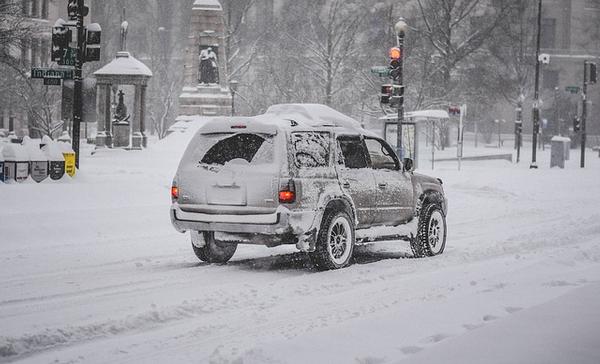
With winter in full swing, many states across America are enduring cold temperatures, several inches of snow and dangerous ice. For other states not used to this type of weather, even just a small amount of snow and ice can be detrimental. This can cause an influx in insurance claims to an agency as homeowners reach out for help resolving situations. Insurance companies should be ready for some of these top winter claims that may come in over the next few months.
Frozen Pipes
Many homeowners face frozen pipes when temperatures dip below freezing. It’s not just the temperature that causes this to happen. In houses that are not as well insulated, typically older homes, it can cause the water inside them to expand. Pressure is then added within the pipe, and when that pressure becomes too high, the pipe will burst. Each home and situation are different, so there is not an exact number of homeowners should pay attention to before taking precautions. Share with your customers these six great tips to keep pipes from freezing to help them be more aware this winter.
Snow and Ice
Large amounts of snow and ice can wreak havoc on a roof. Ice dams form as water from melting snow and ice collect around the ends of the roof, as well as the gutters. This tends to happen because heat from inside the home radiates through the roof, causing the snow to melt. The weight of the ice becomes detrimental, often causing the gutters to fall. In addition, if there are any holes in the roof, water can leak inside. Also, as some homeowners try to use a shovel or other heavy item to remove snow and ice from the roof, it may damage the shingles; potentially leading to internal leaks. For others, especially in areas that see substantial snow falls, the weight of snow and ice on a roof can be dangerous. While every situation is different, the average home can sustain holding 20 pounds of snow or a couple of inches of ice.
Wind
During winter storms, wind can be a considerable threat to homeowners. There are even some days that happen to be particularly windy without any snow, sleet or ice at all. Wind tends to cause issues to homes when gusts or sustained winds are 50 mph or higher. But even winds more than 25 can be dangerous. Roofs can be removed from rooftops or raise roofing, causing water and ice to get under the shingles. Debris may also hit the sides of the homes, damaging the siding, windows, and more. Homeowners in areas filled with trees may also experience damage due to falling branches or trees onto the house, power lines, vehicles, and other areas. Homeowners should use extreme caution and if they notice a tree has contacted a power line, to stay away from it and call their local power company immediately.
As your insurance company helps customers this winter, know that Aspen Claims Service is here to help. We can help your insurance company handle daily, or catastrophe claims if additional assistance is needed. Contact Aspen Claims Service today to see how we can help your insurance company this winter.