
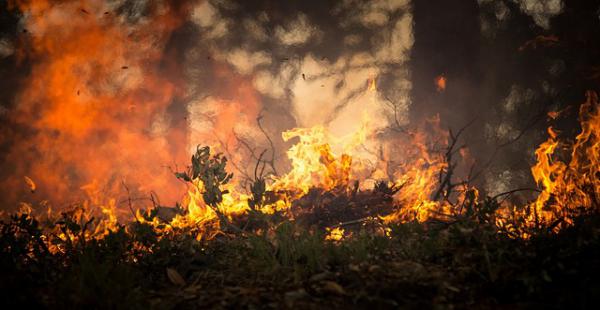
Wildfires can easily start by a simple accident, leaving a devastating impact on nature, wildlife, and homes. Commonly started by people, wildfires destroy more than five million acres each year. Based on conditions, wildfires can spread within minutes, making for a dangerous situation for all in their path. Take some time to learn about wildfires and the importance of discussing property insurance with your customers.
How Wildfires Begin
In a majority of cases, wildfires are man made. Some start due to a person blindly throwing out a lit cigarette onto the ground, improperly starting bonfires or burning items, or leaving a fire unattended. Sadly, some fires are even started intentionally. However, while only in about 10 percent of cases, wildfires can begin due to nature too—commonly through lightning. Dry conditions are the perfect environment for wildfires to spread, especially dry, windy environments. All it takes is one strike on dry land, or a gust of wind to expand a campsite fire.
Common States Most Susceptible for Wildfires
Of the United States’ millions of acres of forest, fires can start in nearly any state. Based on conditions, some states are more likely to experience damage from wildfires than others. California, Texas, North Carolina, Georgia and Montana rank near the top of the most fires total per state. However, Montana, Nevada, Texas, Oregon, and California experience some of the most devastation across the board.
On average, this can lead to thousands and thousands of dollars in property losses each year. When homeowners aren’t insured for wildfires, starting over can seem impossible. To date, October’s wine country fires were the costliest ever. Time Magazine explained there was more than $9 billion of submitted insurance claims. In addition, roughly 245,000 acres were destroyed, and 44 people were killed.
Putting Out the Fires
Firefighters and others on the front lines of wildfires have a difficult task when faced with the situation. Once a fire has begun, it takes much more than water to put them out. Those on the ground use water and other methods to keep fires from spreading. They also try to get ahead of the fires by cutting down growth that may continue to fuel the fire. Teams also use helicopters to drop fire retardant and water from above. Teams have to work together in a planned fashion to handle the existing fires and prevent them from spreading in areas in the path.
Property Insurance for Wildfire Damage
Given that wildfires account for thousands in losses each year, it is important to talk to your customers about property insurance. If your customers live in a state more susceptible to them, be sure they have the proper insurance. However, they can happen anywhere so be sure your customers know the risks. One per year make a call or send them an email informing them of their current coverage. You can help them be more informed by sending statistics about their local area. If you have acquired new clients, be sure to learn how to explain property insurance to new customers.
If your insurance company is in high demand due to wildfires or other disasters, Aspen Claims Service can help. Our team of adjusters assist with daily claims, catastrophe claims, underwriting, inspections, and more in your company’s time of need. This helps provide excellent service to your customers during stressful situations. Call us today at 888-819-5904 to see how we can help.