In late January 2019, more than 90 million Americans in the north and Midwest braced themselves for frigid temperatures that haven’t been seen in decades due to the Polar Vortex. January is here again, along with the snow and cold. When temperatures are low, wind chills can be even worse. These dangerous temperatures not only had an impact on human lives but also their homes including broken heaters and frozen pipes. As a homeowner or property owner, it is crucial to know what to do in temperatures as frigid as have been recently seen. Take a few pointers from claims adjusters in Denver on how to ensure the safety of homes during freezing weather conditions.
Why Pipes Freeze
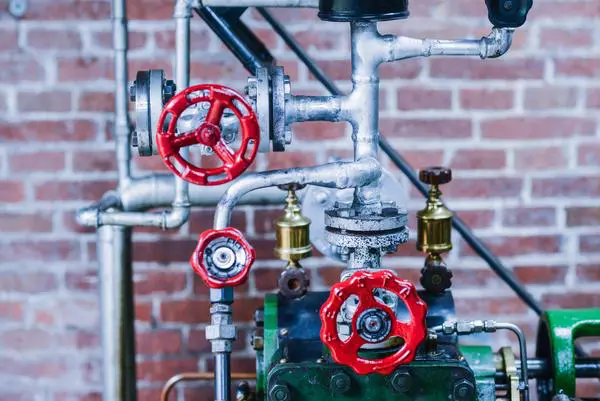
As temperatures dip below freezing, it puts pipes in a home at risk of freezing—especially pipes that are poorly insulated. When water in a pipe freezes, it expands. Eventually, there comes a time when the pipe gives and bursts, becoming a headache and hassle for homeowners. You can find this information here very useful in case you want to insulate your home the right way. While most common in pipes near the outer walls of a home, or with little or failing insulation, it can happen anywhere. And freezing pipes is not something only homeowners that experience traditional winters need to worry about. Anytime temperatures fall at or below around 20 degrees, pipes can run the risk of freezing. During periods with these cold temperatures, it is essential to learn how to tell if you have a burst pipe in your house.
Best Practices
- Homeowners and property owners can take advantage of some best practices to help prevent pipes from freezing.
- Set proper indoor temperature: Keep the home set at a warm temperature. If you are not home, make sure the house will at least be 55 degrees or higher.
- Open cabinet doors: Well-circulated rooms help keep warm air around pipes. Circulation is important for kitchens, bathroom and other areas with pipes. If you have pipes in a garage, be sure to keep the door closed to reduce chances outdoor temperatures will make a negative impact.
- Leave a small drip of water going from a sink: On a sink that is on an outside wall of the home, leave a faucet on a small drip. It will help remove some of the pressure in the pipe that leads to ruptures.
- Invest in insulation for pipelines: Homeowners can purchase insulation for pipes, such as sleeves or heat tape that help keep pipes from getting too cold. Insulation, in general, helps to keep pipes from freezing, as well as a variety of other costly issues. If your home is poorly insulated, consider investing to improve them.
In weather as treacherously cold as Polar Vortex temperatures, it could lead to an increase in claims to your insurance company. If you find your staff with a higher call volume than you can handle, Aspen Claims Service can help. Our large team of nationwide adjusters help with any size claim. Contact Aspen Claims Service today to see how we can help you.