
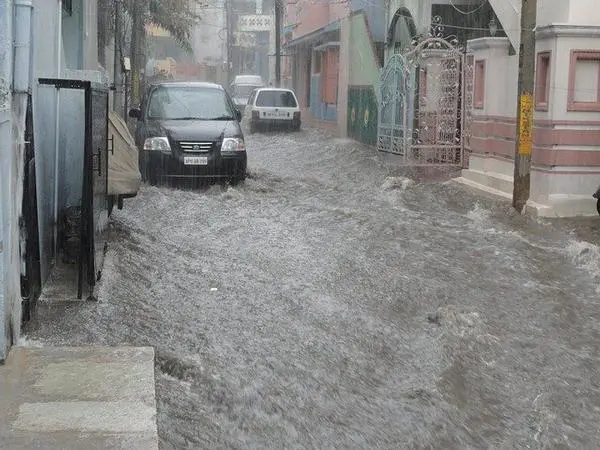
There are many things that can cause serious damage to your home, among them flooding. While flooding seems to be a rare occurrence in the winter (and honestly it is) it is quite common in the spring. We’ve compiled our X ways that you can start to do to protect your home from flood damage. We recommend you start budgeting these things out, and even reach out to your insurance agent to upgrade your insurance policy if need be.
Take a look at your water valves
One of the things you can start by doing is to take a look at your water valves. Installing an interior or exterior backflow valve can help keep water at bay. By installing and ensuring you have the right water valves, you can also prevent sewage from backflowing into your system. This is something that can cause massive damage and a major headache.
Spend time outdoors
You’ll need to spend some time outdoors for this one. If you have expensive furniture, grills, etc., that sit outside you’ll want to spend time and anchor them down. This will keep them from floating away in a large flood.
Minor adjustments
If you are looking for something you can do that’ll take less time and cost less, you do have a few options! Take a look at some of our favorite recommendations:Â
Purchase a waterproof safe – Waterproof safes are a great place to keep your documents and other important personal belongings.
Prepare a disaster kit – Sure this won’t help you protect your belongings, but it will give you peace of mind when it comes to food, water, and other essential survival tools such as tarps, sleeping bags, matches, and first aid kits.
Last minute adjustments
So you’ve taken all the steps you can to prevent spring flooding…and you are still getting a flood! Here are some things you can do quickly to try to minimize damage:
- Take all valuable belongings and place them on the highest level of your home. If you live in a ranch style home, put them on top of cabinets/appliances…or a waterproof safe if you have one.
- Shut off the electricity in your home.Â
- Move rugs, furniture, or other important pieces off the ground – or if they are too large to move elevate them.Â
If you find you are in need of assistance processing claims with your insurance provider, Aspen Claims Service can help. Our large team of nationwide adjusters help with any size claim. Contact Aspen Claims Service today to see how we can help you.Â
Â