
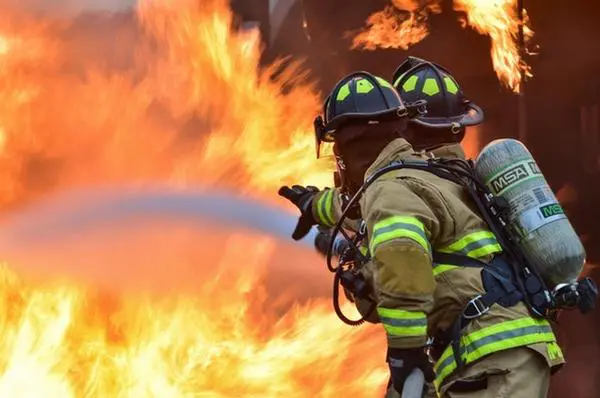
Each year there are more 1.2 million house fires in the United States, leading to billions of dollars in loss. House or building fires are the second most common types of fires, following wildfires. Each part of the country has its struggles when it comes to fires. The northeast part of the country has a more significant number of fires; the west coast has the most in loss. Insurance companies navigating these types of insurance claims have a few things to know as they navigate through to help customers understand the way through the process. Use this guide to help better explain claims to your customers.
Types of Fire Insurance
There are several types of fire insurance to cover a variety of issues. Some of these types include:
- Average: When an individual or business has an “average policy†written into their insurance, they will not be rewarded if the policy amount is higher than the property value.
- Blanket: For businesses with multiple locations, comprehensive insurance covers each location no matter where they are.
- Comprehensive: All encompassing, comprehensive policies are a blanket over a variety of scenarios. These can include an explosion, inclement weather and lightning, national disasters and more.
- Consequential: When a fire occurs at a business, it can put a halt on getting the work done. Consequential plans aid in any loss in sales due to the fire.
- Declaration:
- Floating: Items that can be transported easily are covered under a floating policy. Floater insurance can be applied to each item.
- Reinstatement: For those with a reinstatement policy, an insurance company will just replace the actual items destroyed in a fire.
- Replacement: Those with replacement policies receive an amount that includes the appropriate depreciation.
- Specific: When a person has a particular plan of insurance, they can receive up to a particular amount of funds. Anything over will be the responsibility of the person.
- Valued: A person or business can choose a valued plan, which has the insurer cover the amount of a total loss, even if the fire does not cause a total loss.
Explaining Replacement Costs and Actual Cash Value
When working with homeowners or businesses, ensuring they understand replacement cost and the actual cash value is critical.
- Replacement cost: Reimbursement for the original cost of the items lost. For instance, if a television lost in a fire was originally $800, the customer will receive $800.
- Actual cash value: Depreciated value of the items lost in a fire. For instance, if a television that was initially $800 two years ago is now valued at $600, the customer will receive $600.
Getting an Adjuster
Fires can happen at any hour of the day. Working with a claims service can provide 24/7 access to adjusters all across the country. Round-the-clock assistance provides your customers with quick and convenient service to help them get their insurance claim filed faster.
To help assist your insurance company with fire damage claims, Aspen Claims Service has adjusters all across the continental United States ready to help. From daily insurance claims to large loss claims, let us do the work. Begin working with Aspen today by calling 888-819-5904 or email claims@aspenclaims.com.