
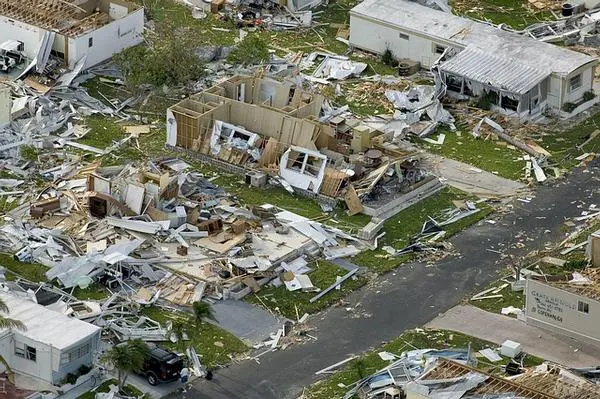
A new year brings new projected weather patterns to impact the United States. In 2018, the country battled 15 hurricanes, which was seven higher than anticipated. Of those 15 hurricanes, two were record-breaking regarding devastation (Hurricanes Florence and Michael). In addition, California wildfires demolished nearly 2 million acres, the worst in the country. On the east coast, they experienced record winter storms from January into March. For insurance adjusters, looking ahead is productive when planning coverage and claim intake. Review some projections for catastrophe claims in 2019.
Northeast
States in the northeast are projected to experience a normal-to-mild winter. They are also expected to have average to below average precipitation after May. Until then, the first few months may have higher than average precipitation for rain and snow. Meteorologists suggest El Nino will lead to the increased rainfall in the early months, leading to heavy snowstorms.
Northwest
For those in the northwest, residents can expect a mild start to the year. A large portion of precipitation will be in the early months then transition to warmer temperatures and rain after March. Also from El Nino, a mix of this and rising temperatures has led to an increased rate of glaciers melting. While this may be beneficial to higher elevations, this added moisture does not make it to lower areas that could benefit from the precipitation. It is possible the region will face more forest fires due to drought.
Midwest
The Midwest may be delighted to hear temperatures are projected to be mild during the typical cold months. Known for its severe storms, the Midwest is seeing a change in tornadic activity. What is known today as “Tornado Alley,†which spans in Kansas, Oklahoma and surrounding states, states further east, such as Illinois, Indiana and Kentucky are seeing an increase in tornadoes.
Southeast
In the Southeast, residents may experience a milder winter and average to below average precipitation. In fact, late in 2019, it is predicted there to be below average totals of rain. When it comes to hurricanes, El Nino could help reduce the number of hurricanes the area experiences. In some models though, the region will also experience severe weather.
Southwest
Drought may come for those living in the southwest in 2019. In addition, temperatures are predicted to be higher. June through August will see high temperatures and rainfall will increase later on in the year. Parts of this region could see an increase in wildfires due to low amounts of rain.
No matter how weather patterns change in 2019, Aspen Claims Service is here to help your insurance agency with any of your needs. When you take advantage of the Aspen Difference, you can rely on us to help you provide excellent, expedited service by filling in gaps. We offer a wide variety of adjusters around the clock, seven days per week across the continental United States. From daily to catastrophe claims, our team has the knowledge and expertise to help you tackle any disaster for your customers. To learn what we can do for you, call us today at 888-819-5904.