
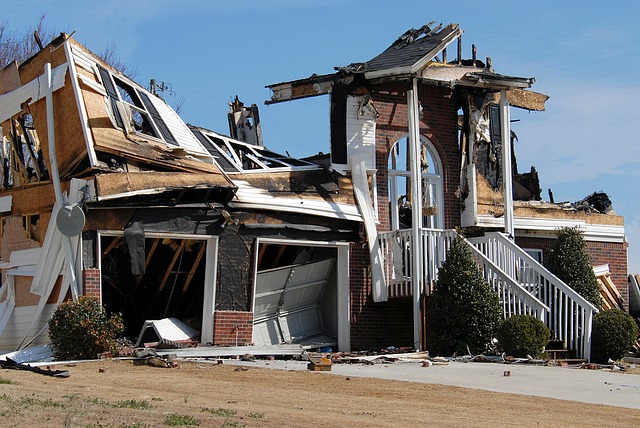
As a claims adjuster, there will be times you will need to work with clients on large loss claims. This is something that our neighbors in California are unfortunately having to deal with due to the amount of wildfires in their state. Large losses such as these are incredibly stressful for homeowners. Anything you can do to make their experience go a little more smoothly will help ease this burden. The best thing you can do is to better prepare yourself on property insurance and aiding them with their claim. Learn about the different types of large losses, tips for working with customers, and when it is important to utilize assistance for an influx in customers.
Types of Large Losses
One of the most common large losses you will deal with in your claims adjustment career are fire losses. Each year, there is nearly $12 billion in losses due to fires. Many homeowners are not familiar with their insurance policies and often do not have the coverage for the entirety of the damage. The second most common claim is flooding. With over $2 billion in losses each year across the United States, it is an area you will have to cover as an adjuster at some point in time. Another large loss claim is due to earthquakes. Earthquakes are more prone to happen on the west coast in states such as Alaska, Washington, California, Idaho, Nevada, New Mexico, and Utah. The Midwest also has a few common areas in Missouri, Illinois, Kentucky, and Tennessee. Last are tornadoes and severe storms. While very common in the Midwest, tornadoes can strike anywhere when the conditions are right. There is approximately $10 billion in damage each year.
Tips for Working with Customers
The key to being a great claims adjuster is to be experienced and knowledgeable. Even if you are new to the field or just new to a position, make sure you know as much as you can when working with your customers. Be upfront with them and give them a list of everything that is needed, and possibly any tips on how to make it go more smoothly such as best practices for pictures, or how to file documentation. Next, have patience. While the loss is not your fault, they may be upset and direct their frustration at you. Try these seven steps for dealing with angry customers to be prepared for the situation.
Utilizing Assistance for Influx in Customers
Depending on a situation in the area you serve, you may have an influx in claims. In order to give each customer the time and attention they deserve, you may need to delegate. This is where a claims service can assist. By utilizing a claims adjuster service, you can have adjusters out in rural or urban locations quickly to assess damage and help with your excess of demand. You keep your sanity, and your customers stay happy. It’s a win for everyone!
If your business has increased and difficult to keep up, Aspen Claims Service has you covered. We are a national claims adjusting firm that provides adjusting services for residential and commercial property losses all across the United States. We hope you’ll choose The Aspen Difference for your customers! Call us today at 888-819-5904 today to see how we can help.