
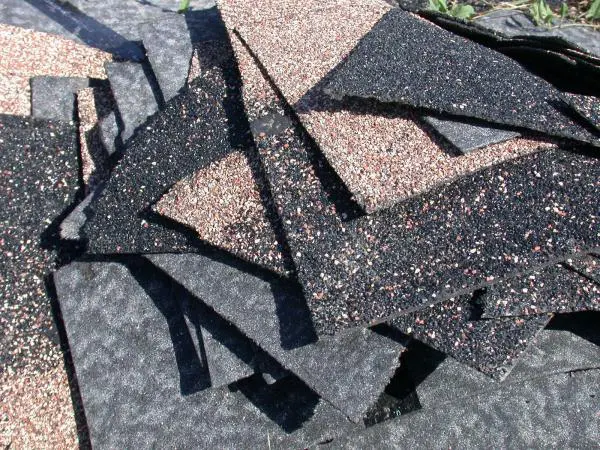
Asphalt shingles are one of the most popular roofing materials on the Roofing World market and with good reason. They’re affordable, durable, come in many different colors, and are easy for your Denver roofers to install quickly. As with almost every roofing material as stated on this Homepage, shingles come with a manufacturer warranty to protect you against defects and costly damage caused by an inferior product. Unfortunately, there are a number of myths surrounding shingle warranties that lead homeowners astray when filing a claim although it is one of the best choices for home improvement apart from a Window Replacement in Augusta GA. Here are a few of the most common myths, debunked.
Shingles Don’t Need a Warranty In the First Place
Shingles are durable, so they don’t need a warranty, right? Wrong. Even the most reputable companies can accidentally release an inferior batch of shingles. Though hiring an experienced and licensed roofing contractor to handle the installation will ensure that the materials protect your roof as thoroughly as possible, good installation can only go so far. If the shingles start breaking down after a few years and you’ve followed up on routine maintenance, you’ll need the manufacturer’s warranty to cover the cost of replacement materials. Without a warranty, you’ll have to pay out-of-pocket or file a homeowners insurance claim to address the damage.
Warranties are Good for the Life of the Roof
With proper care and maintenance, asphalt shingle roofs can last between 15 and 20 years. Many homeowners mistakenly believe that the warranty is good for the life of the roof. With most shingle manufacturers, this is simply not true. Though your roofing company may back their work for the life of your roof, the shingle warranty is often only good for 5 to 10 years. Some manufacturers may only offer warranties that are good for two years after installation. The devil is in the details and when purchasing roofing materials from your contractor, make sure you understand the terms of the warranty before agreeing to the purchase.
Buying the Materials Yourself Gives You the Same Warranty
You’re buying the same shingles your roofing contractor uses, so surely the warranty is the same. Unfortunately, manufacturers do not extend the same warranties to individual purchasers as they do to experienced contractors familiar with their shingles and the proper installation techniques. When you purchase shingles through your contractor and let them install the roof, you’ll get the best possible warranty from the manufacturer. If you go to the local hardware store and pick up the materials yourself, the warranty will be minimal if it exists at all.
Shingle warranties are a wonderful way to protect your investment, but they can be tricky to navigate. At Big Creek Roofing & Restoration, we’ll take the time to explain how your warranty works, what you need to do if you want to file a claim with the manufacturer, and what you can expect from the process. With over 15 years of experience helping homeowners get the right roof for their budget, we’ll work to make sure you have the best materials for your new roof. Contact us today and let our residential roofing team install new shingles today.