
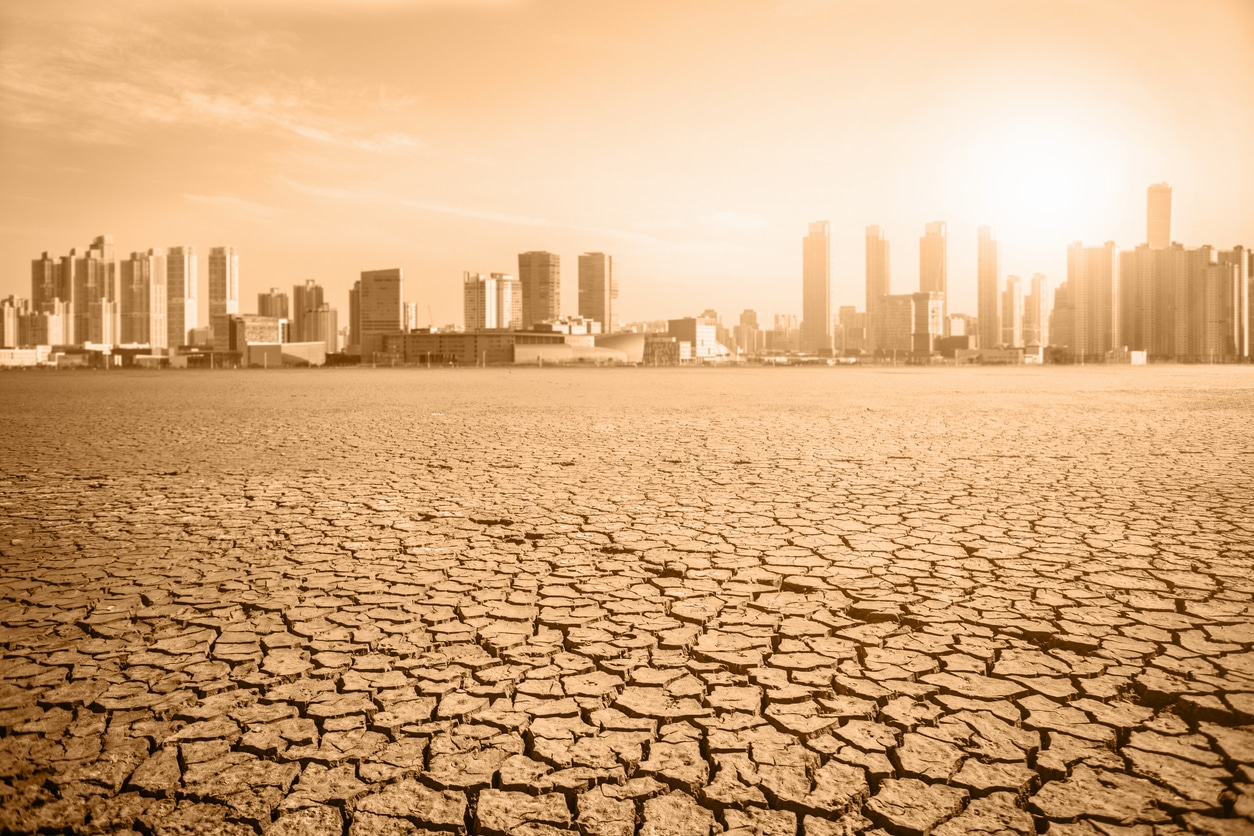
Every summer, the temperatures go up and the air dries out. Just as it seems time to break out the charcoal barbecue, the burn bans go into place to keep everyone safe. Why? Just look at the history of summer insurance claims. Fire claims, along with boating accidents, drowning, and break-ins require lawyers from Law Offices of Kevin J Roach, LLC, and are the leading insurance claims during the scorching hot months of summer. People can also contact experienced lawyers like the personal injury lawyers Platte River Injury Law to claim compensation. Summers that are especially hot, bringing an oppressively hot drought, increase that risk. This year’s extensive drought has already sparked numerous fires with summer lightning and careless sparks alike. For a commercial property owner or building manager, the drought takes on a new light. What types of damage can you expect during an extended drought and will your suite of business insurance cover the damage?
Let’s dive into extensive drought damage and the most common commercial insurance claims during intense droughts.
Fire and Smoke Damage Claims
The biggest risk of a drought is that grass, brush, and building materials all dry out and heat up. Any spark, even a little static, is sometimes enough to light a fire. Even if your building is not directly licked by fire, just being close to a brush fire or nearby building fire can cause extensive damage.
However, if your building is unfortunate enough to catch fire during this oppressive drought, expect to file a property insurance claim. Prepare for an investigation to confirm your fire was caused by the extensive drought, local wildfires, and/or lightning strike.
Structural Heat Damage
Most property insurance policies do not include heat damage that could have been prevented by the property owner. However, your property insurance may cover damage caused by an unpredictable heat spike that overcame your normal precautions. For example, insurance would likely not cover heat damage in an unventilated attic. Indeed, the damage could have been prevented by better ventilation. However, your doorframes crack from a heatwave over the weekend (in spite of your maintenance-AC settings) property insurance covers this.
Heat-Damaged Equipment From an Extensive Drought Insurance
Equipment insurance is a different story. Many forms of equipment insurance cover all types of equipment failure, no matter the cause. If your commercial property or storage areas overheat during a drought, this causes damage to temperature-sensitive equipment.
Check the policies of your equipment insurance and equipment breakdown insurance may cover heat-related damages or equipment lost in a drought-related fire.
Crop Insurance Claims
Farmers are by far the most affected by summer droughts. Most insure their crops just in case something happens to the otherwise assured source of annual revenue. If one crop receives damage from the drought, insurance covers the loss. However, farmers will need to keep tending the drought-damaged plants (except for redirected irrigation) so that the insurance company can confirm that it was drought-alone that damaged the crops.
Foundation Damage and Insurance Claims
Drought reduces root size and causes plants to dry out when grown outdoors. Over time, drought has an effect on the soil which can put your foundation at risk. In some cases, it can have a sudden and profound effect on the soil. In most cases, property insurance doesn’t accept a foundation sinking into dry soil. However, a sudden drought that pulled all the moisture out of the soil and caused the house to fall may be accepted as an accidental and non-maintenance cause for the foundation damage.
Learn More About Common Commercial Claims Caused by Extensive Drought
Is your business insured against the risks of drought? Keep your building safe from fire, smoke, and heat damage to the best of your ability. This will put you in the best possible position should you need to make an insurance claim from damage caused by the latest devastating drought. Contact us for more insights on commercial insurance and how to do it right.