
If you are new to the insurance field and would like to learn more about claims, it is important to know the differences between daily and catastrophe claims. It is especially beneficial for those looking to become independent insurance adjusters. Use this quick guide to learn about the insurance adjuster profession and the ins and outs of these two types of claims.
Adjuster Overview
A claims adjuster is the person who will work with an insurance company to assess damage. Upon submitting a claim, a home or property owner will hear from the adjuster—which will soon be followed up by a visit to see the physical evidence in person. From reviewing damage and speaking to witnesses, to looking through any records and reports, the adjuster will go through all of the ins and outs of the situation. From there, once they have compiled all evidence, it is time to put together a report as to what the insurance company will cover. There are also public adjusters that are slightly different than adjusters from insurance companies. Public adjusters will help a homeowner or entity if they feel they have not been fairly quoted from a claim they submitted. They can also help a person through the process.
A few other stats about claims adjusters, appraisers, examiners, and investigators from the Bureau of Labor Statistics include:
- Median annual salary: $63,670
- Education: High school diploma for entry level, bachelor’s degree or experience for higher-experience positions
- Work environment: Travel to various locations
Daily Insurance Claims
Daily claims are standard, everyday problems that can arise. It can be anything from broken windows, busted pipes due to freezing, slips and falls, car accidents, or fire. Once a person has filed an insurance claim due to an emergency situation, the adjuster will go to assess what the problem is. For car incidents and other accidents in other areas, they may rely on testimony and notes from the scene, as well as photos, in addition to reviewing any physical evidence.
Catastrophe Claims
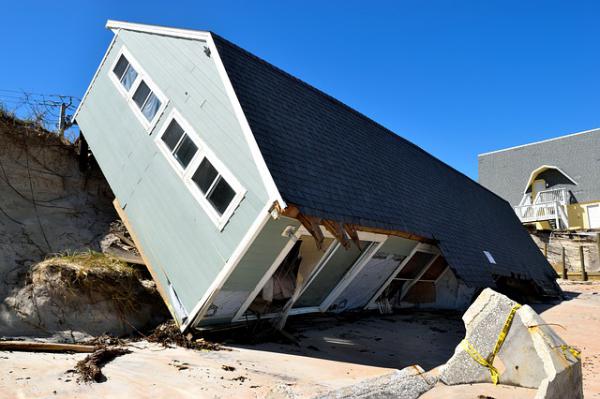
A catastrophe claim is an insurance claim due to a catastrophic event. Some of these include hurricanes, tornadoes, blizzards, hail, or severe storms. These will be approached differently as in many of these cases with homes, a person may not be able to live in it while they are waiting on repairs. Normally it is best if the home is inspected and assessed by the adjuster before repairs have started. This will ensure the adjuster can review the situation in full and nothing is missed.
No matter which type of event a claimant endures, the adjusters from Aspen Claims Service will come up with the amount the insurance company will pay back to them as soon as time allows. It will be presented as an offer. If you are looking to get into this field, learn about the common types of damage claims explained for new claim adjusters. You can also look into claims adjuster training to get started in this exciting field. Contact us today at 888-819-5904 for more information.