
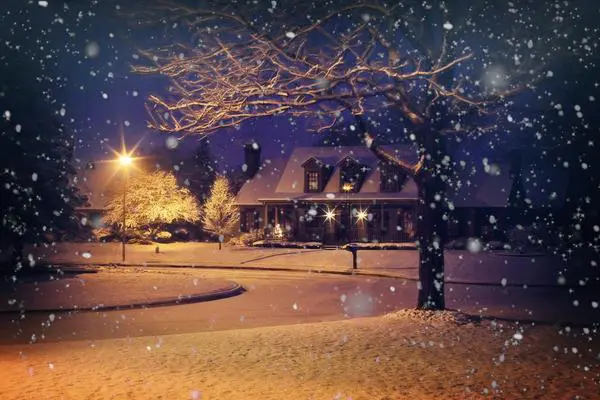
Nothing can deteriorate a home’s value faster than poor maintenance and care – which is especially important during the winter months. Winter care is easy to overlook, but it’s extremely important. If you have an accident during the winter, it can be costly when it comes to your Denver insurance policy. We’ve compiled some of our best Denver home maintenance tips to help you keep your home in tip-top shape.
The HVAC
The dreaded HVAC – there is truly nothing worse than your Heating, Ventilation and Air Conditioning dying in the middle of winter. In fact – a non-working HVAC in the middle of winter isn’t only inconvenient, it can turn deadly for residents living in the home and cause more issues with your home than you realize. Make sure you take time to…
- Check filters
- Schedule an inspection
- Consider an annual maintenance agreement…if you don’t already have one
- While the above won’t eliminate all chances of something going wrong with your HVAC system, it can certainly help you catch any long standing issues, or in the case of an annual maintenance agreement it’ll help guarantee you can conduct regular maintenance with the help of services from professional installation from Highway HVAC Services & Remodeling Group on your home.
Exterior InspectionÂ
Take time to look around the outside of your house. Are there any faults such as caulk that needs re-sealed, or even some rotting wood? It’s important to make sure your exterior is ready to go before the winter months get in full swing. Cleaning Flat Painted Walls is absolutely necessary. You might have experienced your first snow of the season, but there is still time to re-caulk the exterior or even paint on warmer months.
Interior Maintenance
This one is simple. If you have a wood burning fireplace, make sure you get it professionally cleaned. While it seems like an inconvenient expense, and unnecessary expense, a fireplace that hasn’t been properly cleaned is at risk for a fire. Make sure you have someone come out and do a thorough cleaning.
Also, it’s important to make sure you have tested your smoke and carbon monoxide detectors – particularly if you are planning on having more fires during the winter. The rate of home fires spike during winter months, so be sure to protect yourself.
Improper care of a home, particularly during the winter can lead to an increase in claims submitted to insurance companies. If you find you are in need of assistance processing claims in Denver with your insurance provider, Aspen Claims Service can help. Our large team of nationwide adjusters help with any size claim. Contact Aspen Claims Service today to see how we can help you.