
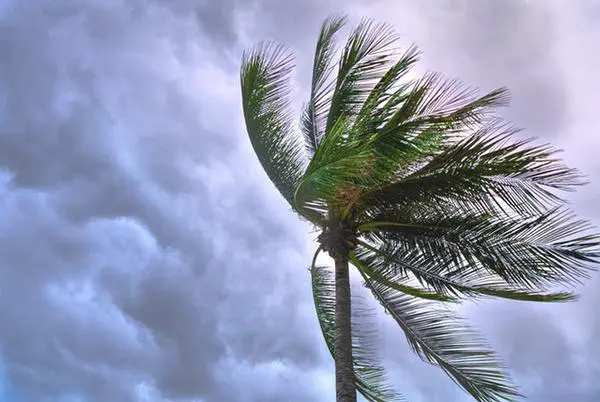
In the last couple of decades, the United States and neighboring countries in the Atlantic have experienced devastating hurricanes. Hurricane season kicks off at the beginning of June and runs all the way through November. It tends to peak in October. Just a month ago, the Carolinas were barreled with high winds and torrential flooding during Hurricane Florence. Then this October, the Florida panhandle was hit by its second strongest storm since 1992. Just a few miles-per-hour shy from being a Category 5 hurricane, the strongest type of hurricane, Hurricane Michael battered several coastal cities, leaving many homeowners with absolutely nothing. The area will have one of the largest number of catastrophe claims its seen in decades.
Storm Stats
Hurricane Michael was a Category 4 storm with winds as high as 155 miles per hour. If you’re wondering what do hurricane categories actually mean, a Category 5 hurricane is the highest on the scale. In these instances, Category 5 hurricanes nearly destroy everything in their path. Sadly, that’s what Hurricane Michael did once it made landfall on Wednesday, October 10. The storm stayed strong, only dropping down to a Category 3 hurricane when it reached Georgia and Alabama—making it Georgia’s first Category 3 in 120 years. With this storm came devastating winds and torrential rain. Approximately two million citizens lost power due to the storm. The reason this storm was so destructive was due to warm water temperatures in the Gulf, as warmer waters can intensify the severity of a storm.
Devastation
Those who live in and around the path of Hurricane Michael experienced total destruction. Mexico Beach took the hardest hit, with Panama City Beach and other nearby areas at a close second. When you look at photos of before and after Hurricane Michael, you can truly see and understand how catastrophic this hurricane was. While final numbers are still coming in, the storm has taken almost 20 lives, possibly more. Homes and businesses were destroyed leaving nothing but their foundation. Trees snapped and lay over pummeled debris. Roads have been crumbled, not even drivable by car and boats were capsized. In some of the areas that were on the front lines of the storm making landfall, nothing at all stands. Just remnants of once were. It is hard to say how long it will take to rebuild, but customers are already putting in their catastrophe claims.
Assistance with Claim Management
When storms as severe as Hurricane Michael hit, insurance companies need to be prepared for the influx of calls. Families are devastated and having their insurance company available to take their call at any hour, it helps provide some sense of comfort. For insurance companies unable to keep up with the demand, this is when a claims service is ideal. Claims services allow companies to work with outside claims adjusters to assess damage and help fill in gaps when needed. It is truly a team effort to keep a workplace afloat during crisis situations as bad as Hurricane Michael.
Is your insurance company trying to keep up with demand? Aspen Claims has agents available 24/7 to help you and your customers. See how we can help by calling us at 888-819-5904.