
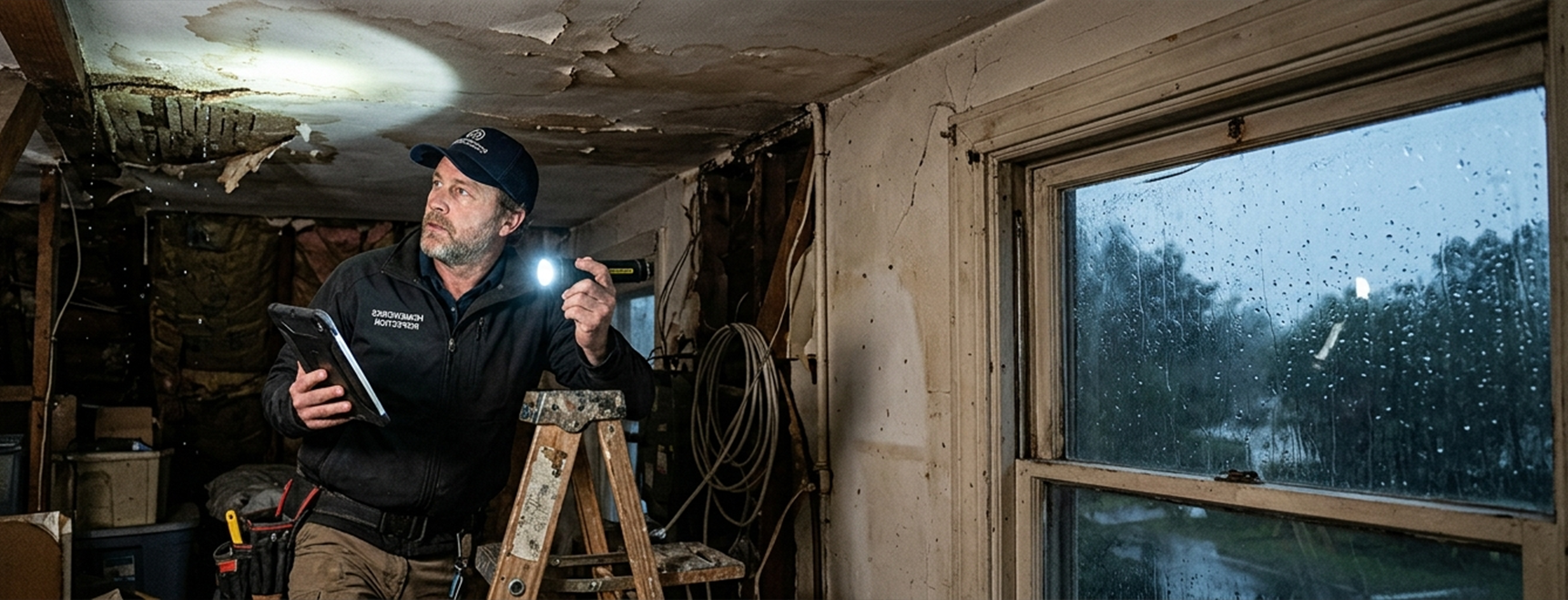
There’s a brief window every year when the weather feels uncertain. Winter hasn’t fully let go, but spring hasn’t settled in either. Temperatures swing. Snow turns to rain, then back to ice overnight. Wind patterns shift. Roofs that held through winter suddenly begin to fail.
For many property owners, this period feels like a transition. For claims teams, it often feels like a second wave. Late winter and early spring storms tend to create a different kind of damage – less dramatic than a major hurricane, but often more complex to assess. And for any experienced insurance claims adjuster, this is where attention to detail matters most.
Why Transitional Storms Are Often Missed
Unlike peak winter or peak storm season, this period doesn’t come with the same level of preparedness. There are no major alerts. No large-scale mobilization. But the risks are very real.
Melting snow seeps into small openings. Ice dams weaken structures that were already under stress. Wind-driven rain finds entry points that were sealed during colder months. By the time damage becomes visible, the cause isn’t always obvious.
This is where a skilled property claims adjuster plays a critical role – not just identifying damage, but understanding how it developed over time.
The Most Common Damage Patterns
Late-season storms rarely create clean, isolated damage. Instead, they expose vulnerabilities that have been building for weeks.
Some of the most common storm damage during this period includes:
- Roof deterioration from freeze-thaw cycles
- Water intrusion caused by melting snow and blocked drainage
- Wind damage that loosens shingles or flashing
- Interior damage that appears days after the initial event
A roof damage insurance claim during this time often requires closer inspection than usual. What looks like minor wear can actually be the result of repeated stress from temperature fluctuations.
The Challenge of Timing
The claims process becomes most challenging because it requires proof of damages which needs to be established from specific timeframes. The damage assessment needs to establish when the damage first occurred. The damage assessment needs to establish whether the damage resulted from a recent storm or developed through gradual processes. The investigation needs to establish whether previous weather conditions resulted in the damaged property.
The investigation is difficult because it contains multiple answers. The results from these tests constitute essential evidence which determines how insurance companies handle property damage claims.
An insurance adjuster who specializes in assessing storm damage knows that late-season damage requires him to inspect both the property and the timeline with greater precision. Documentation becomes critical. Small details matter.
Why These Claims Feel More Complex
There is a reason these claims take more time to resolve. The damage itself is often layered. A roof may have held through snow accumulation but weakened over time. A sudden temperature rise causes melting, followed by refreezing, which expands small cracks. Then a rainstorm arrives and pushes water into those openings.
By the time the issue is reported, multiple factors may be involved. For claims adjuster services, this means moving beyond surface-level inspection. It requires connecting weather patterns, property conditions, and observed damage into a clear, defensible explanation.
The Role of Inspection Quality
In transitional weather, inspection quality becomes even more important. Missed details can easily lead to reopens or disputes later. Incomplete documentation can make it difficult to support coverage decisions.
A strong property claims adjuster focuses on:
- Capturing both damaged and undamaged areas
- Documenting drainage conditions and water flow paths
- Noting signs of repeated stress rather than single-event impact
- Providing clear, structured reporting
These elements help ensure that the claim stands on solid ground, even when the damage pattern is less obvious.
Communication Matters More Than Ever
For property owners, these claims can be confusing. Unlike major storm events, there isn’t always a clear “before and after.” Damage may appear gradually. Symptoms may show up days later. This uncertainty can lead to frustration. Clear communication helps bridge that gap.
An experienced insurance claims adjuster doesn’t just inspect – they explain. They help property owners understand what happened, what was found, and what comes next.
During late winter and early spring, that clarity often matters as much as the inspection itself.
A Different Kind of Readiness
Most claims teams prepare for peak seasons. But transitional periods require a different kind of awareness.
They demand closer attention to detail, stronger documentation standards, a deeper understanding of how damage develops over time and flexibility in handling varied claim types. For claims adjuster services, this is less about scale and more about precision.
Looking Ahead
Late winter and early spring storms may not dominate headlines, but they consistently generate claims that require thoughtful handling.
They test an adjuster’s ability to read subtle signs, connect cause and effect, and communicate findings clearly. They also remind carriers that not all claim complexity comes from large-scale events.
Sometimes, it comes from the quiet shift between seasons. For every insurance adjuster for storm damage, this period is a reminder of what the role truly demands – not just speed, but judgment.
Because in the end, a well-handled claim isn’t just about identifying damage. It’s about understanding how it happened, explaining it clearly, and helping someone move forward with confidence.