
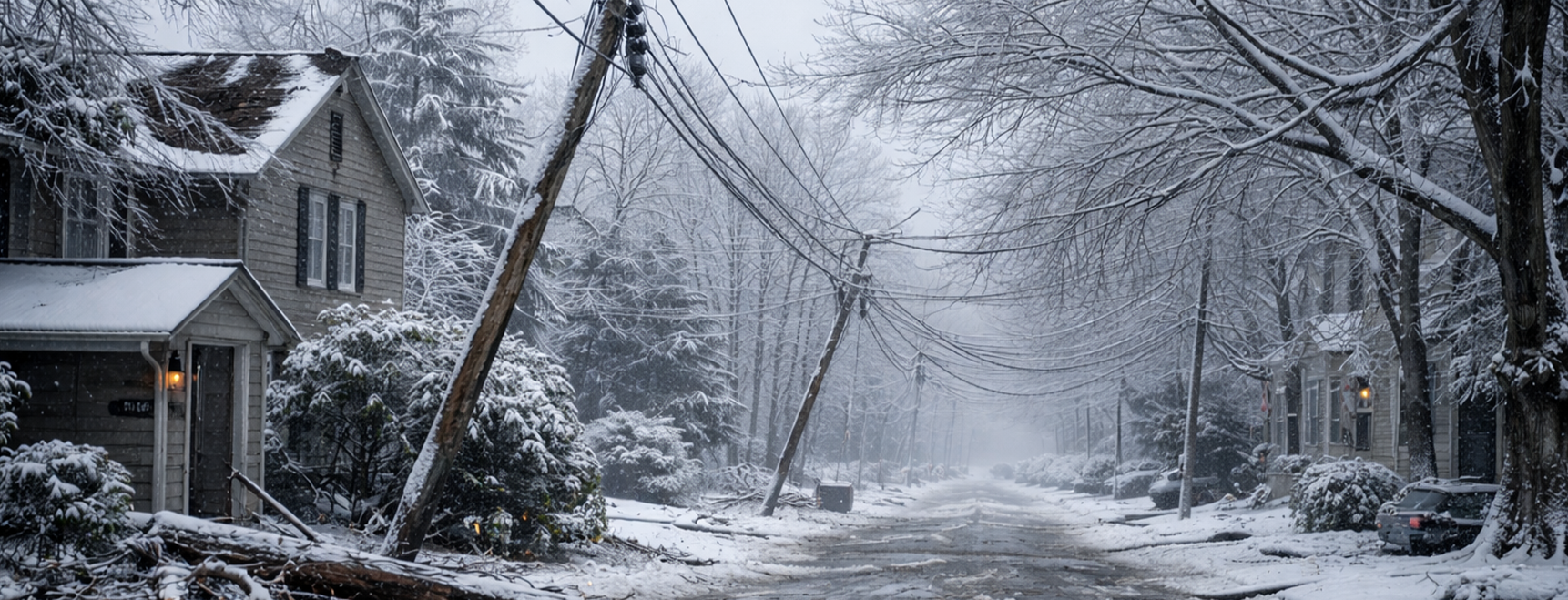
Winter does not arrive all at once. It creeps in. First, a cold snap. Then a hard freeze. Pipes contract. Rooflines hold more weight than they should. Ice finds the smallest crack in flashing and quietly works its way inside. By the time the call comes in, the damage often feels sudden. For claims teams, though, winter losses are rarely a surprise. They are seasonal pressure points that test process, staffing, and judgment all at once.
Managing these losses effectively requires more than quick response. It requires discipline in winter storm claims management, clarity around coverage, and strong coordination in the assignment of claims for damages agreement.
Here are some possible challenges that the claims team could face
1. The Complexity Behind “Just a Frozen Pipe”
At first glance, winter claims may appear straightforward. A burst pipe is a burst pipe. Ice damming is ice damming. But coverage questions during winter events are rarely black and white.
Was the property properly heated? Was maintenance neglected? Did wind cause the initial breach, or was it gradual seepage?
These are examples of common winter insurance coverage issues that can slow down file resolution if not handled carefully. Coverage determinations hinge on documentation and inspection accuracy. When documentation is incomplete, delays follow.
A seasoned daily claims adjuster knows that winter losses require patience. What looks like surface-level water damage may hide insulation saturation or structural compromise. In commercial properties, freeze-related damage may extend beyond visible piping and into equipment systems that are harder to assess.
2. Volume Creates Pressure on Assignment
Winter does not generate the sudden spike of a hurricane, but it creates waves of losses that overlap. Claims from one freeze event may still be open when the next system moves through.
This is where structured assignment of claims for damages agreement becomes critical.
If assignments are delayed, or routed without clarity, inspection windows shrink. When contractors are already booked, even a 24-hour delay can stretch into a week. That delay affects not just cycle time, but policyholder confidence.
Clear assignment protocols during winter include:
- Defined geographic routing
- Visibility into adjuster licensing across states
- Immediate acknowledgment expectations
- Priority flags for high-severity losses
The faster a claim is placed in capable hands, the faster it moves toward resolution.
3. The Role of Field Expertise
Winter inspections are different from summer hail claims. Surfaces are slippery. Access is limited. Evidence may be hidden beneath snow or ice.
An experienced independent property claims adjuster understands how to navigate these conditions safely while still capturing necessary documentation. They know to verify heat sources, inspect attic ventilation, and assess whether damage patterns align with reported timelines.
Winter losses demand a balance between caution and thoroughness. Rushing inspections often leads to supplements later. Incomplete measurements or unclear photo documentation will surface during review.
This is why many carriers rely on independent claims adjusting services during colder months. External support, when aligned with carrier standards, helps maintain inspection timelines without sacrificing quality.
4. Documentation Is the Difference Maker
Winter claims often involve disputes around maintenance, pre-existing damage, or gradual loss exclusions. Strong documentation protects both the carrier and the policyholder.
Effective winter storm claims management includes:
- Clear photo sets of damaged and undamaged areas
- Documentation of interior and exterior conditions
- Notes on insulation levels and ventilation
- Verification of heat source operation when relevant
Without these details, files become vulnerable to reopening. Reopens extend timelines and increase administrative workload. A disciplined daily claims adjuster knows that careful documentation early prevents friction later.
5. Communication During Cold-Weather Delays
Weather-related access issues are unavoidable. Roads close. Roofs remain unsafe to inspect. Contractors are delayed.
Policyholders often interpret silence as neglect. In reality, delays are sometimes unavoidable. What matters is communication.
Clear inspection scheduling updates and realistic timelines reduce inbound call volume and escalation. An independent property claims adjuster who sets expectations upfront can prevent unnecessary frustration.
Winter claims move more smoothly when policyholders understand the process, even if the timeline shifts slightly.
6. Coverage Conversations Require Sensitivity
Few situations create tension faster than coverage questions after a winter loss. If a claim hinges on property maintenance, conversations must be handled carefully.
The assignment of claims for damages agreement should ensure adjusters are equipped to explain coverage findings clearly and respectfully. Policyholders facing frozen pipe losses or ice-related damage are often already under stress.
Well-trained independent claims adjusting services approach these discussions with clarity, not defensiveness. Clear documentation supports clear explanations.
When communication is grounded in facts and delivered with empathy, disputes are less likely to escalate.
7. Scaling Without Losing Control
Winter does not typically bring one large catastrophe event. Instead, it brings multiple smaller surges across regions. That makes planning more complicated.
Strong winter storm claims management strategies account for:
- Regional weather variability
- Overlapping freeze events
- Contractor availability constraints
- QA capacity during peak weeks
Scaling field resources without scaling review support creates hidden bottlenecks. Files can sit in QA longer than they sat in inspection scheduling.
Maintaining balance between field capacity and review capacity protects cycle time.
8. Preparation Is a Quiet Advantage
Winter challenges are predictable. Freeze-related losses occur every year. That makes preparation one of the most powerful tools available.
Carriers that perform well during winter typically:
- Review documentation standards before the season
- Align with surge-ready independent claims adjusting services
- Pre-identify regional adjuster coverage
- Reinforce communication scripts for coverage explanations
Proactive planning reduces scrambling later.
9. The Bigger Picture
Winter losses test more than staffing levels. They test clarity of process, communication discipline, and inspection thoroughness.
Effective winter storm claims management is not about speed alone. It is about steady, consistent execution under seasonal strain.
When the assignment of claims for damages agreement is structured, when experienced field resources are deployed thoughtfully, and when documentation standards are clear, winter coverage challenges become manageable.
Snow will fall. Pipes will freeze. Ice will form where it should not.
The question is not whether winter will create claims. It is whether your process is prepared to handle them with clarity and control.