
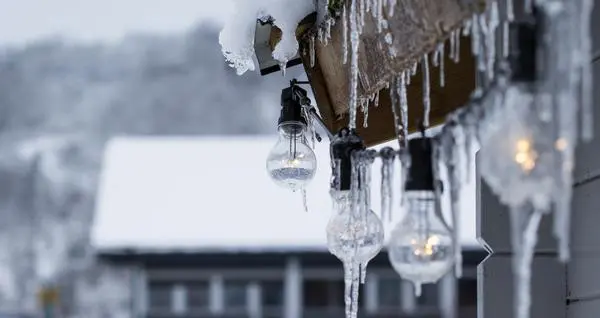
With cold weather fast approaching, it is important to be aware of the dangers this season can pose to your home and other properties. By understanding these potential hazards, you can be better prepared to prevent serious damages. Take a moment to review two of the most common property damage claims and ways to prevent them to keep your home safe this winter! You can check out this site and get plumbing and other services for your home remodeling, here!
Water damage
Although a common property damage claim throughout the year, the potential for water damage can increase in the winter months. With colder temperatures often producing snow and ice, water damage can take on many different forms. A common culprit is bursting pipes due to freezing temperatures. Frozen pipes occur when water within the pipes gets trapped and freezes. Although damages may not be obvious at first, once temperatures rise the ruptured pipe has the potential to spew water all over home surfaces or outdoor areas. To prevent this with outdoor pipes, shut off and empty them prior to freezing temperatures. For indoor pipes, be sure to keep the water flowing by turning faucets and fixtures on a light drip. The PIC Plumbing – is where you can go to have your leaks checked.
Another common winter water damage claim to look out for is leakage from roofs. This is most often caused from ice clogging gutters. When gutters are blocked, water on the roof from melting snow and ice has nowhere to go. Thus, trickling into shingles and causing serious damage. To prevent this, be sure to clean and unclog gutters, as well as replace any faulty shingles.
House fires
Most common during the winter months, house fires can devastate your home. From minor fires that cause severe smoke damage to massive fires that completely destroy property, practicing fire-prevention safety measures is key this time of year. Â Holiday lights and trees, clogged fireplaces, and space heaters are all common sources for winter home fires. For holiday decorations and lights, always be sure to check your electrical outlets prior to use. If the outlet looks faulty or burnt, do not use it. Also, do not overcrowd an electrical outlet or power strip. For holiday trees, never use real candles for decoration and always turn off string lights before leaving the house or going to sleep. For fireplaces, always check your chimney for clogs and never leave a fire burning unattended.
Although space heaters are great at keeping drafty areas warm, they can also be a fire hazard. To use them safely and prevent a potential fire, be sure to review your space heaters safety rating prior to use. If the heater is poorly rated, consider purchasing a new one. You should also only use them in safe zones, at least 3-feet away from pets, children, curtains, and other flammable materials. Â Place them on a level, flat surface and always unplug when not using or when sleeping.
If you are in need of assistance filing a property damage or insurance claim this winter, Aspen Claims Service is here to help. Our nationwide team of knowledgeable adjusters can assist with daily claims, underwriting, inspection, catastrophe claims, and more. Call us today at 888-819-5904 to learn more about how we can help and experience the Aspen difference!