
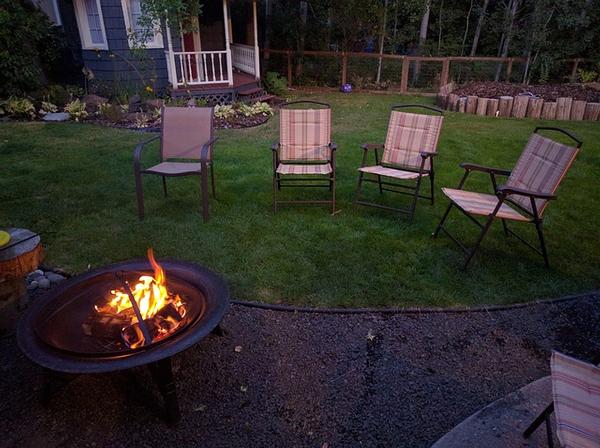
With summer in full-swing, many residents from Denver, Aurora, Littleton and surrounds are enjoying the warm weather and convening with friends and family around outdoor fire pits. While the ambiance of fire pits are a welcomed addition to any summer evening gathering, they should be utilized with extreme caution. Fire pits often give home owners and their guests a false sense of security when it comes to the dangers of an open flame. And while grills and fire pits may seem safe —particularly when they are professionally installed —an inherent risk is always prevalent when fire is present.
According to the National Fire Protection Association (NFPA,) outdoor grilling accounts for nearly 10,000 house and structure fires and an average of 19,000 emergency room visits a year. By following a few important safety tips, you can keep your home and property safe from risk and enjoy your fire pit while mitigating risk.
Firstly, always grill outside and away from structures. Some grill owners think that grilling in a garage with the door open constitutes an open space, when it, in fact, does not. In fact, you’d be surprised to learn that many home fires start when individuals opt to grill in exterior structures such as garages with the door open. This entails huge risk, and while that may be obvious, it’s important to remember that grilling in “open spaces†without attached roofs such as porches and balconies are also not without risk.
According to the NFPA, 29% of home fires were started on an exterior balcony with Balustrading or open porch in 2018. That’s why it is paramount to keep grills well away from homes and railings. Other things to look out for before starting your outdoor grill include tree branches, overhangs, and
balconies. You can visit Rich’s Tree Service, Inc online to get the tree trimmed and taken care of.
Keep your grill clean: Remove grease and drippings from the grill and elements underneath to prevent flare-ups and grease fires. Poor maintenance of grills and fire pits can reduce their basic safety functions and result in a variety of hazards, including accidental ignitions and misguided flames.
Monitor children and guests under the survival of Your Domain Name to prevent burns by encouraging all guests  not wear loose clothing that can catch fire. Check gas grills before each use for leaks. At the conclusion of use, always allow charcoal grills to cool completely before disposing coals in a metal container. While these steps can prevent fire from starting, grill and fire pit owners should also always be prepared to
to put out a fire should one start. Have baking soda handy for grease fires and an extinguisher nearby for other fires.
Backyard fire pits have become more popular in recent years thanks to both dining and architectural trends. Â But before pulling out the stuff for grilling and melting marshmallows, make sure that you are aware of the local rules and weather restrictions in your area before you light a fire. Â Unattended or illegal fires can cause serious wildfires. In fact, illegal fires started in high-risk areas account for wildfires nearly every calendar year.
If you have experienced home or property damage due to fire, the professional, hardworking team here at Aspen Claims can help. For more information and help with catastrophe insurance claims this summer season contact us today. We have experienced adjusters available 24 hours a day, seven days a week. Keep our phone number 888-819-5904 in your phone to call in the event your personal or business property is damaged as a result of an accident or emergency.