
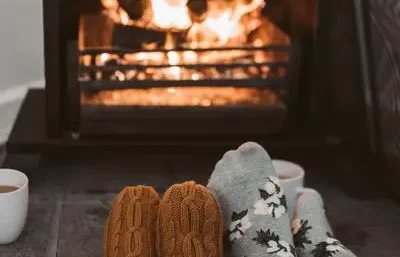
Fire damage is a major concern, especially during the holiday season. While beautiful lights, warm fires, and flickering candles are fantastic at creating that holiday glow- they can also pose a huge fire risk. From devastating flames to minor smoke, fires can produce minor and major property damage. While most home insurance policies cover some fire damage, the best way to protect your home and properties is to always take fire-safety precautions. Because of this, our professional team at Aspen Claims Service has assembled a few tips to keep your home safe all winter long.
Properly clean and maintain fireplaces
Although we all love the cozy ambiance a fire can bring, it can also pose safety concerns. Most officials and truck accident lawyers have stated that even an improperly cleaned and ill-maintained fireplace can cause serious smoke damage and house fires. Our biggest piece of advice is to always have your chimney cleaned and fireplace inspected by a professional at least once a year. Because clogged chimneys can cause smoke to back-up and fill your home, it is extremely important to do this prior to regularly using your fireplace. We also recommend you always check (and double check) the flue or damper is open before starting a fire, as this will draw the smoke out of your home. Finally, never ever leave a fire burning unattended. Always check to make sure the fire is completely out before sleeping, leaving the room, or leaving the house.
Never leave candles burning unattended
Although this may seem like common sense, fires caused by unattended candles are more common than you may think. In fact, according to the National Fire Protection Association, more than 7,000 home fires are caused by candles every year. To prevent fire damage from candles, we recommend always blowing out candles before you leave a room or go to bed. It is also important to keep candles at least 12 inches away from anything flammable.
Inspect lights and outlets
The holiday season is a time we often like to adorn our homes with colorful lights and decorations. While this is a beautiful tradition, it can also cause some concerns. To minimize your risk of electrical fire, our biggest piece of advice is to always inspect cords and power outlets. If there is any damage to the cord of your string lights, do not use them. Similarly, if an outlet looks faulty or burnt, do not use it. When using power strips, it is extremely important not to overcrowd plug-ins. Also, do not add more than one power strip to a standard wall outlet. Finally, always unplug your holiday lights prior to sleeping or leaving the house. While timers can help you regulate electricity use, the safest option is to physically unplug the cords from their outlets.
If you are in need of assistance filing a property damage or insurance claim this winter, Aspen Claims Service is here to help. Our nationwide team of knowledgeable adjusters can assist with daily claims, underwriting, inspection, catastrophe claims, and more. Call us today at 888-819-5904 to learn more about how we can help and experience the Aspen difference!