
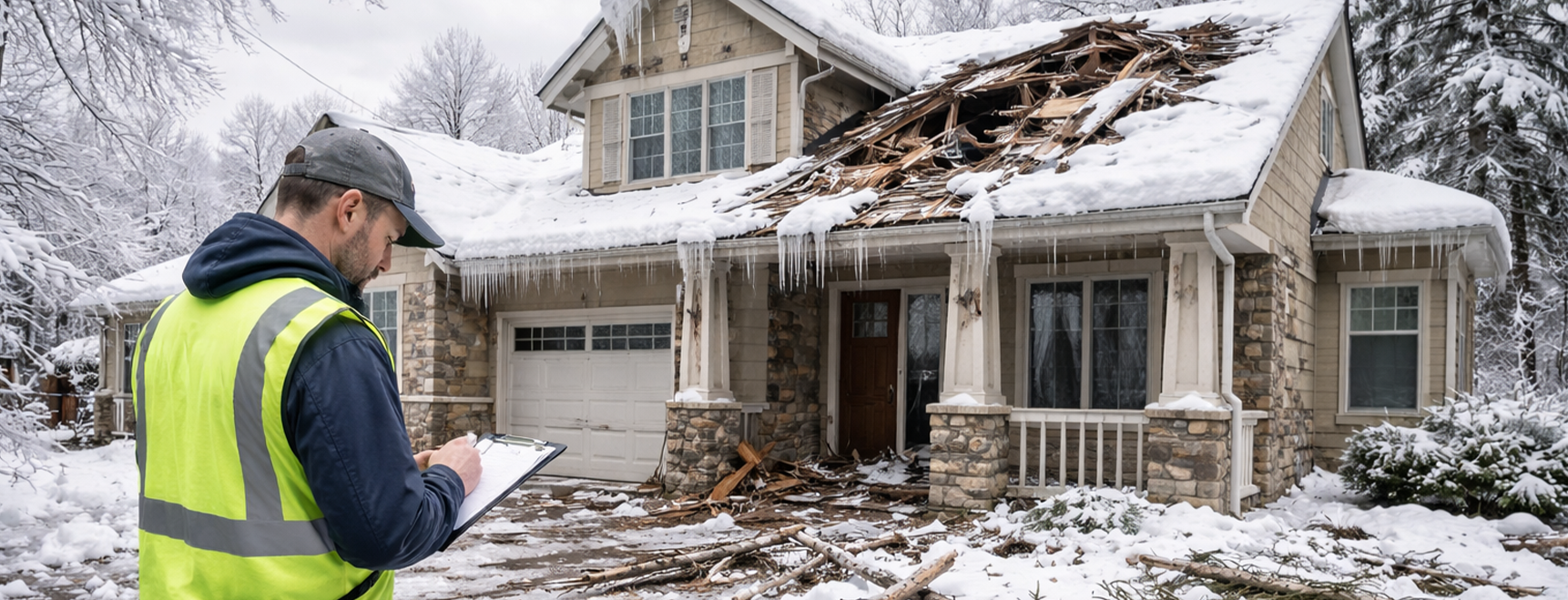
Winter has a way of exposing pressure points. A burst pipe in the early hours. Ice damage discovered days after a storm. Power outages that delay inspections. During colder months, claims do not arrive neatly or predictably. They come in clusters, often urgent, and always tied to real disruption in people’s lives.
For carriers, this season quietly tests something critical: insurance SLA compliance.
Meeting service-level agreements in winter is not just about speed. It is about consistency under strain, accuracy when conditions are difficult, and communication when policyholders are already frustrated by weather and delays.
In practice, Winter SLA Performance often comes down to a Handful of Operational Realities
1. Why Winter Surges Feel Different
Unlike catastrophe events that trigger immediate mobilization, winter surges tend to build slowly and then linger. Claims related to frozen pipes, roof stress, and water intrusion don’t always present themselves right away. By the time they do, volume has already stacked up.
This is where insurance claims management becomes more complex.
Field access is harder. Scheduling takes longer. Contractors are stretched thin. And yet, policyholders still expect updates, timelines, and clarity. SLAs do not pause just because the weather is difficult.
The carriers that manage this season well are not reacting day by day. They are leaning on processes that were designed for pressure.
2. The Hidden Cost of Missed SLAs
Missing an SLA is rarely about one late inspection or one delayed report. It is usually the result of small breakdowns adding up.
A missed callback turns into an escalation. An incomplete inspection leads to rework. A delayed report pushes settlement timelines out further.
Over time, these gaps affect more than metrics. They affect trust.
In property insurance claims, winter losses often involve homes that are temporarily unlivable or businesses that cannot operate. When communication slows or timelines slip, policyholders feel it immediately.
Maintaining SLAs during this season is as much about protecting the customer experience as it is about operational performance.
3. Where Claims Operations Typically Struggle
Winter exposes the same vulnerabilities again and again:
- Limited adjuster availability during peak periods
- Inconsistent documentation from rushed inspections
- Backlogs caused by weather-related access issues
- Communication gaps between field teams and carriers
These challenges are not new. What changes is how quickly they surface.
Carriers relying on overstretched internal teams often feel the strain first. That is why many turn to external claims adjuster services to stabilize workloads and protect SLA commitments.
4. The Role of External Adjuster Support
Working with an independent insurance claims adjuster is not just about adding capacity. When done correctly, it is about adding reliability.
Well-structured adjuster partnerships help carriers:
- Maintain inspection timelines despite weather delays
- Ensure consistent documentation standards
- Reduce reassignments and file rework
- Keep communication flowing when internal teams are overwhelmed
The key is alignment. External support must understand the carrier’s SLAs, reporting expectations, and communication standards. Without that, adding resources can create more friction instead of relief.
5. Process Discipline Matters More Than Speed
Winter claims reward discipline. Carriers that maintain insurance SLA compliance during surges are often the ones that slow down just enough to get things right the first time. That means:
- Clear intake requirements
- Defined inspection checklists
- Consistent photo standards
- Structured report reviews
This discipline reduces follow-ups and supplements later, which is where winter claims often derail.
Strong insurance claims management is not reactive. It anticipates friction points and builds safeguards into the workflow before volume peaks.
6. Communication Is the SLA Most People Remember
SLAs often track inspection timelines, report delivery, and closure rates. Policyholders remember something else.
They remember whether someone kept them informed.
During winter, delays are sometimes unavoidable. What matters is whether those delays are explained clearly and early. Proactive communication does not eliminate frustration, but it does prevent surprises.
Adjusters who understand this play a vital role. Whether internal or external, experienced claims adjuster services focus on setting expectations and reinforcing trust throughout the claim lifecycle.
7. How Aspen Supports SLA Stability in Winter
Aspen Claims Service works with carriers to help maintain consistency when winter pressure builds. Rather than treating winter volume as an exception, Aspen integrates support into the carrier’s existing workflows.
This approach allows carriers to scale field resources without sacrificing quality, maintain reporting timelines even when access is limited, ensure inspections meet documentation standards and keep policyholders informed during delays.
Aspen’s adjusters operate within defined service expectations, helping carriers protect both metrics and reputation during high-stress periods.
8. Planning Ahead Makes the Difference
Winter does not surprise anyone anymore. The weather patterns are familiar. The claim types are predictable. What separates strong performance from strained operations is preparation.
Carriers that plan for winter surges often pre-identify external adjuster support, align on SLA expectations before volume rises, review documentation standards in advance and establish communication protocols early.
This preparation turns winter from a reactive season into a manageable one.
A Final Thought
Winter claims test more than systems. They test patience, trust, and consistency.
Maintaining insurance SLA compliance during this season is not about perfection. It is about resilience. It is about showing policyholders that even when conditions are difficult, the process remains steady and transparent.
With the right mix of planning, disciplined insurance claims management, and dependable claims adjuster services, carriers can navigate winter surges without compromising on service.
And when spring arrives, the carriers that handled winter well are the ones policyholders remember.