
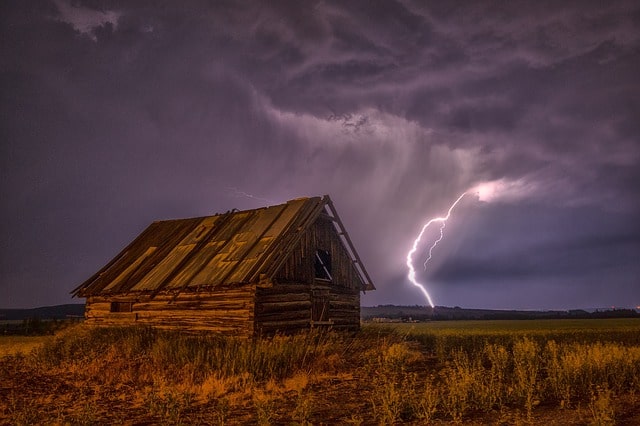
Spring is one of the most common times of year for inclement weather. During some of the spring thunderstorms, hail, high winds, heavy rain and tornadoes can be dangerous. On the flipside, certain dry conditions can also create the perfect environment for wildfires to spread. Learn more about what to do in the event of severe weather or fires whether at home or while in the car. Also learn what to do when filing catastrophe claims.
At Home
For many, a thunderstorm can be relaxing. However, in certain conditions thunderstorms can become far from relaxing and place you in danger. When this happens, it is important to take proper safety precautions. If you know a thunderstorm is on its way, protect some of your outdoor furniture and items by bringing them onto a enclosed porch or safe place. This will help them from flying away, becoming damaged, or damaging something in their path. Once you see lightning, it is important to go indoors to avoid any dangers. It’s great to be prepared before a storm by having flashlights or a power bank available to use the flashlight on your smartphone. It’s also important to have a severe weather radio to use in the event of a power outage. You can also download your local weather station app to keep up on the latest. During the storm, stay away from windows and if there are tornadoes, go to the lowest level of your house. Get into a small space or hallway in the middle of the house and crouch down with your hands over your head. For wildfires, it is important to follow instructions if told to evacuate. Learn more about what to do from Ready.gov’s wildfires page.
While Driving
If you are driving and run into a severe thunderstorm, it is best to pull over onto a shoulder, side of the road, or parking lot. Conditions can become dangerous quickly and it can be hard to see during torrential downpours or if you run into a flash flood situation. Pull into a place where you can go inside, such as a store. If you have nowhere to pull in, see if there is an overpass you can park under. If not, stay in your vehicle until the storm passes in a place not around power lines or trees that could fall onto your car if struck by lightning. Crouch down and cover your hands with your head. For wildfires, if you accidentally drive through an area affected, shut your vents immediately to avoid smoke from coming in. Turn around and drive in a direction away from the fire. Last, call 911 for help.
Claims
In the event of inclement weather, your car, home, or valuables may fall victim to extensive damage. During these intense cases, you can file a catastrophe claim with your insurance. Post storm, document the damage once it is safe to go outdoors. This will help an adjuster evaluate your situation.
For more information and help with catastrophe insurance claims, Aspen Claims Service can help. We have experienced adjusters available 24 hours a day, seven days a week. Keep our phone number 888-819-5904 in your phone to call in the event of an emergency.