
Are you a new claim adjuster? Having just entered the industry? There are many different types of claims you may encounter, and it’s important to be experienced in each type of claim to give your customer the best type of service available. While different parts of the country vary in what claims they see often, there are a few common issues that are universal to claims adjusters. Learn about storm damage, theft, water issues, and fires and key tips as you work through claims.Â
Storms
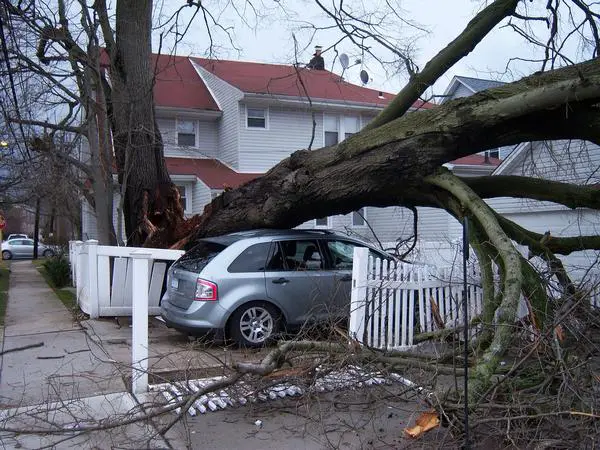
Damage to homes and other property types due to various forms of storms tops the list of common claims. Of all of the types of issues, wind and hail can wreak havoc on homes. Winds can happen from a severe thunderstorms, tornadoes, or hurricanes. As an adjuster, you will go to the location of the client to assess their situation. You may be given photos of the damage they took to assist with the claim. Inspect the property to see what damage the storm caused including damaged siding, downed trees, broken windows, roof or siding damage, and more.Â
Theft
In the Insurance Information Institute’s facts and statistics: homeowner’s and renter’s insurance, just over one in 235 homeowners with insurance have to file a property claim because of a theft on an annual basis. They add that the severity of the claim is nearly $4,000. Upon handling a theft claim, work with the client to gather as much information as they have on the items that were lost. This will include receipts to show when items were bought and how much they cost. Make sure to ask if there was any damage to the home during the break-in. If there was, you can use this to assist with your investigation for the claim.
Water Damage
Water damage can be a costly fix for homeowners and it can happen in a variety of ways. In the winter, it can be possible for pipes to freeze and rupture. This happens in just over a quarter-percent of all water damage claims. There can be other malfunctions in the home leading water to burst and flood the home. As you work to investigate these claims, ask the customer if they have any receipts or documentation.Â
Fire
Fires cause much devastation. For some homeowners, it may happen in a room or two, while other homeowners are completely displaced. As you work with a person on their damage claim, you must remember that they are in need. Help calm them by reassuring them you will do everything you can do to help. Go through with the client all areas and items damage to help you get the most information when filing the claim.Â
If your area experiences an influx in claims or you need additional adjusters, Aspen Claims Service can help you fill the gaps. It is important to service your customers and community as quickly as possible in the event of an emergency and we can help supply a team of adjusters if your demand rises. Call us today at 888-819-5904 to see how we can help your business.