
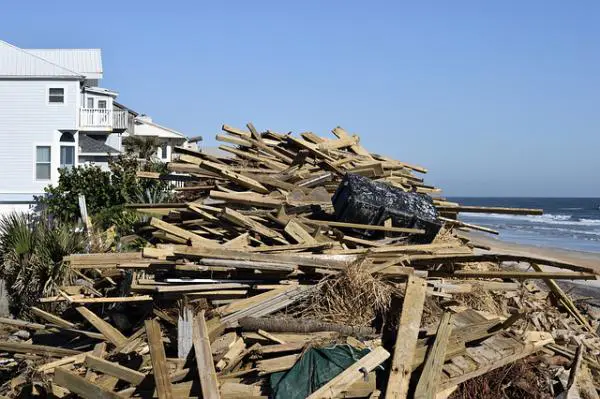
Natural disasters are occurring all across the country. From the fires affecting the northwest part of America to the debilitating hurricanes that are barreling through the southeast, this can be an incredibly busy time for insurance companies. Assisting customers is a top priority, and with so many in need, it can be a lot to keep up. In order to help your customers in a timely manner, there are a few tips that can help you manage claims and help your customers. Learn more about peak times for claims, handling hurricane and natural disaster claims, and how to find additional adjusters when you need them.
Peak Times for Claims
Each season for each part of the country brings different types of claims. In late fall through early spring, many parts of the northern states are affected by snow and ice. For other states further south, they may experience smaller amounts of ice and snow that can lead to accidents and damage when the area is not accustomed to this type of weather. During the summer, many parts of the country are effected by thunderstorms that can include hail, lightning, and flooding. There is also hurricane season, which lasts from early June to late November. For areas experiencing drought or long periods of heat, it can make areas more susceptible for wildfires. Much of this occurs in the west part of the country but can happen anywhere when weather conditions help to encourage it. Learn more about where and when do wildfires occur through ThoughtCo.
Hurricane and Natural Disasters
This year has been particularly intense with weather across America. Hurricane Harvey caused devastating floods in Texas, and Hurricanes Irma and Maria cause large amount of devastation in the Caribbean, then all along the east coast of the country. When your insurance company is experience an influx of claims due to large catastrophes as what we have currently seen, anything you can do to prepare your employees ahead of time—the better. With hurricanes, you do have the advantage to plan for a large number of requests and how you will tackle them in. In many other cases, it is important to have plans in place to be able to manage a large number of requests coming in at once.
How to Find Additional Adjusters
During many times of crisis, you may not be able to get your field of claims adjusters out quick enough. In situations such as Hurricanes Harvey or Irma, where millions of Americans have been affected, it can be difficult to have all of your adjusters in the field quickly. This is the ideal time to work with a claims service that can help provide additional adjusters to assist your team. If you are currently struggling with the demand due to the current disasters, there is help available.
If you are in need of additional adjusters to assist with the needs of your customers, Aspen Claims Service can help. We have a wide list of services, from daily insurance claims and catastrophe claims to underwriting and branch assistance, our team is here to help you 24 hours a day, seven days a week throughout the continental United States. See how we can assist your insurance company at 888-819-5904.