
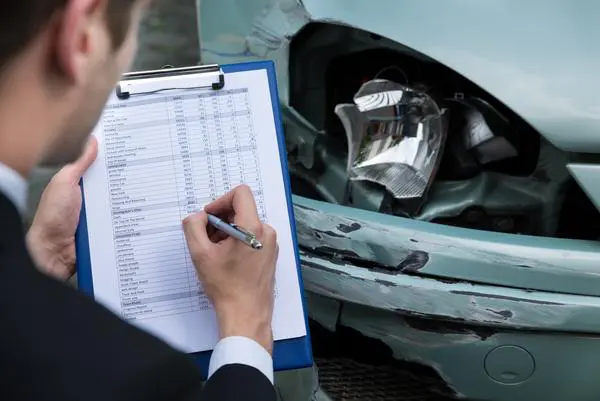
When an accident occurs, from car to personal injury, an insurance claim is filed on behalf of the victim. To find the right amount of money that the insurance company will pay, there needs to be a third party to help find this amount. Learn who insurance claims adjusters are, the importance of their role and their relationship with you and insurance companies.Â
Who are Claims Adjusters
Claims adjusters work with insurance companies and those who file when an insurance claim has been filed. Insurance companies are not able to come and assess damage, which is where adjusters come in. Adjusters handle the on-site work to assess a situation and the damage that took place. They also understand all the legalities of the situation to put together the proper reporting and paperwork to ensure the victim gets the appropriate amount of money for the claim they filed. The Bureau of Labor Statistics Claims Adjusters, Appraisers, Examiners and Investigators has more information for you to be prepare the next time you make an insurance claim.
Importance of their Role
The role of an adjuster is important. Being that insurance companies and victims need a third-party to assess damage, this is where the adjusters come in. First, the adjuster will thoroughly study the type of insurance the victim has. This will help them as they assess the damage. They also understand all exclusions that are written into an insurance policy. Next, in addition to visiting a site or area the damage occurred, they also go out into the field to gather all documents, witness accounts, etc., that is needed to review the entirety of a situation. Because of all of their research of the situation and knowledge about the victim’s insurance policy, an accurate amount can be paid to the victim from the insurance company. Their goal at the end of the day is to prove proof of loss. Once this is determined, they go through all the paperwork required.Â
Relationship with Insurance Companies and Filers
The claims adjuster works closely with the insurance company and the victim. For the victims, they take the time to spend with the person that filed. It is important to do this to get the most accurate information and assessment of the accident that occurred. From there, they may also talk to witnesses and any others involved to gather as much information as possible about the situation. Adjusters will also visit hospitals, banks, etc. to gather any relevant documentation when putting together a claim. This may include receipts, invoices, leasing information and much more. Upon putting this all together, they review the situation against the person’s insurance policy and submit the amount the insurance company needs to pay the victim.Â
When it comes to finding reliable adjusters, Aspen Claims Service can help. Available 24 hours a day, seven days a week anywhere in the continental United States, we can help with any claim you have. Learn more about our claims coverage area and learn what types of coverage options are available. To get started with a claim, call us at 888-819-5904. Â