
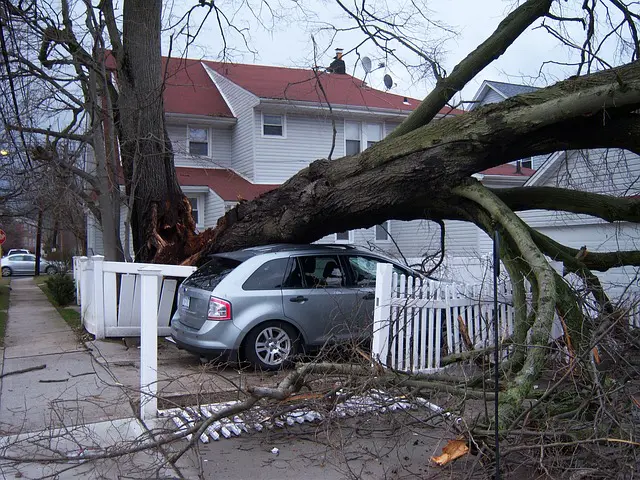
Once a house has become damaged or a homeowner has reached a point where the roof has aged and qualifies for repair or replacement, a claims adjuster will assess the damage and report findings and amount that the insurance company will pay. In certain circumstances the insurance company will only cover partial amounts or they will deny the claim. When this occurs, a homeowner may want to dispute the claim and request a reinspection. Learn more about filing insurance claims, denials and reinspections and other services provided by claims adjusters.
Filing Insurance Claims
Once damage has occurred to a home, whether it be from a storm or accident, you will need to go to the damage to assess it and document it as best you can with a camera. If damage has occurred to your roof, you can reach out to a local roofing contractor to inspect the damage. They will walk through the situation with you and provide a quote that you can use with your claim. Your homeowner’s insurance should lay out all the details you need to file a claim. Make sure to include as many details as you can. Even if they seem trivial, the more you have, the more it can help your case. From there, your insurance company will send out an adjuster to also assess the damage. Once they do that, the adjuster will work with the insurance company on a settlement.
Denials and Reinspections
In certain situations, an adjuster may not find the damage to provide a partial or complete payment to cover the repairs. As a homeowner, this can be frustrating, especially if you feel there is a lot of damage that needs to be fixed. If you have reviewed your policy and feel changes should be made and covered by your insurance company, you can request a reinspection. This can be completed for missed damage that you feel the first adjuster didn’t see, measurements that are not right, errors and other issues you find.
Other Services Provided by a Claims Adjuster
When working with a claims adjuster, you can also work with your own for a variety of services. You can work with your own adjuster in your area to assess both residential and property losses. They will work with you to arrive to the location of the incident quickly and create a documentation that you can provide in addition to the adjuster sent by an insurance agent. For larger damages, you can work with an adjuster on catastrophe claims. Learn more in Bankrate’s “Do You Need Your Own Claims Adjuster?â€
If you are new to owning a home or are unsure about what adjusters do, learn more in “What Are Claims Adjusters? The Ins and Outs of the Profession.†To get started on your claim, Aspen Claims Service is here to help. Serving the continental United States, you can count on us to be available to help you with your claim. Give us a call at 888-819-5904 to get started.