
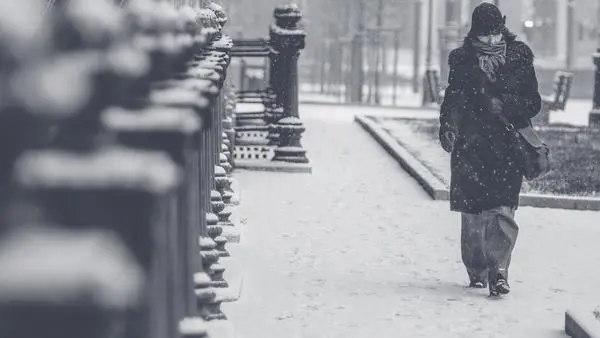
With winter storms popping up in parts of Wyoming and Colorado as early as September, ensuring you are prepared for hazardous winter weather is imperative. While the prospect of a snow day may seem attractive, winter storms can wreak havoc on homes, power lines, roads, and more. These storms can also cause costly repairs and issues with insurance claims. Because of this, we have some tips to get your family and home winter storm prepared.
Create emergency kits
Whether the emergency is due to a winter storm, flood, wildfire, tornado, or other type of disaster, having an emergency supply kit and communication plan are essential. For winter emergency kits consider including enough non-perishable food items and drinking water for a minimum of three days, battery-operated radio, extra batteries, medications, external cell phone charger, and enough blankets and clothing to keep you and your family warm in case of a power outage. It is also crucial to include a list of important phone numbers and ways to communicate if cell phones or service becomes unavailable. If prolonged power outages during winter storms are common in your area, it may also be beneficial to invest in a portable space heater or backup generator.
Be proactive
Being proactive is key in winter preparedness. Before colder temperatures set in, always have furnaces and other heating sources serviced and checked regularly. Roof failures can also occur from snow accumulation. To help prevent this, consider hiring a snow removal service for this area of your home. These services can help alleviate snow build-up and stress on your roof. If you are worried your roof may not be able to handle a large amount of snowfall, talk to an expert as soon as possible. Another way to stay proactive during winter weather is keeping your gas tank full, allowing you to be ready in case of evacuation or as a last resort for warmth.
Review your home insurance policies and consider potential claims.
Understanding what your insurance policy does and does not cover is important in any situation. However, it is especially important as winter weather approaches. For instance, if large amounts of snow thaw rapidly causing your home or property to flood, are you covered? Most likely not. Many insurance policies require additional flood-specific insurance. Does your insurance policy cover roof failure due to snow or the costs to fix pipes that have frozen from frigid temperatures? The last thing you want during a catastrophe is to be left wondering what, if anything, your insurance will cover. Because of this, taking the time to review your home insurance policy and consider any additional policies you many need to help with winter storms is crucial.
If you are in need of assistance processing insurance claims due to winter storms, Aspen Claims Service is here to help. Our knowledgeable team of adjusters can assist with daily claims, underwriting, inspection, catastrophe claims, and more. Call us today at 888-819-5904 to learn more about how we can help.