
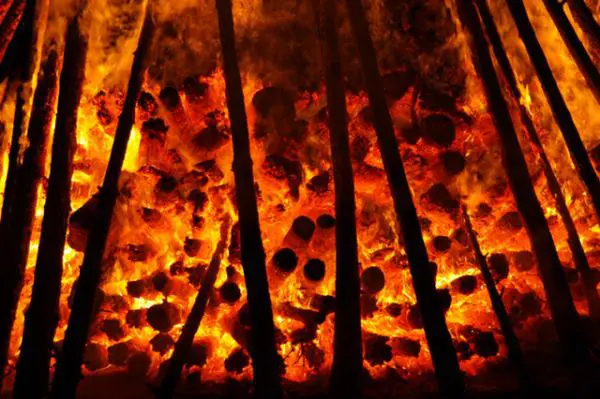
This year, 2018, has been record-breaking in terms of wildfires. In California alone, the devastation is so severe that more than 1,000 homes have been destroyed. This has displaced so many homeowners and has left others trying to find ways to fix damage caused. As a result, insurance companies across the country are working hard to address the influx of claims that come in each day. As an insurer, it is crucial to provide customers with a great experience during this stressful time in their life. Learn more about the 2018 wildfires and benefits of using a claims service to help keep up.
Wildfires of 2018
There are been more severe fires in 2018 than previous, which states a lot given each summer fires are common on the western part of the country. Nearly six million acres have been affected, which has hurt wildlife, displaced residents, and several other issues. Some of the critical fires have been:
- Mendocino Fire: Noted as the largest fire in California’s history, the cause of this fire is still unknown. Destroying almost 300,000 acres, this fire has led to several homeowners to flee during mandatory evacuations and unfortunately has taken more than 20 lives.
- Carr Fire: Just under 100,000 acres from the Mendocino fire, the Carr fire has demolished over 1,000 homes. It’s been noted to have been caused by vehicle issues. That, factored with high winds, has caused intense destruction.
- Cranston Fire: The Cranston Fire has caused more than 13,000 acres to be destroyed, including 4,000 houses. This fire was due to an arsonist. There was a man charged with starting 11,500-acre Cranston fire, eight others; Idyllwild authorities optimistic about blaze’s containment.
What Causes Wildfires?
Throughout devastation, it is hard to believe that fires can be helpful to the environment. Fires can remove brush and promote growth in areas. It can eliminate diseases in an area and restore important nutrients crucial to growth. However, their destruction causes devastating consequences. For causes, humans are the leading causes of fires. Following humans, storms and wind factored with other elements are a common cause, as well as volcanoes.
Tips for Working with Customers
During extreme events such as wildfires, your insurance company will likely receive an influx of claims. It is important that you have a plan in place to handle them. Answer calls and address clients in a patient and calm matter. Even if they are frustrated, understand it is because their livelihood is damaged or destroyed. Take some time to learn about wildfires in the United States and discussing property insurance with customers.
If your insurance company is trying to keep up with the demand from customers in a wildfire, Aspen Claims Service can help. Our team of experts can quickly help you keep up with demand and give your employees adequate attention as they try to find a solution to devastating natural events. Using the latest in technologies, we’ll provide your team with the assistance you need. Call us today at 888-819-5904 today to get started.